







NASA Confirms Artemis II Translunar Injection Success
Artemis II proceeds as planned after a successful translunar injection, with minor issues resolved and systems functioning normally.
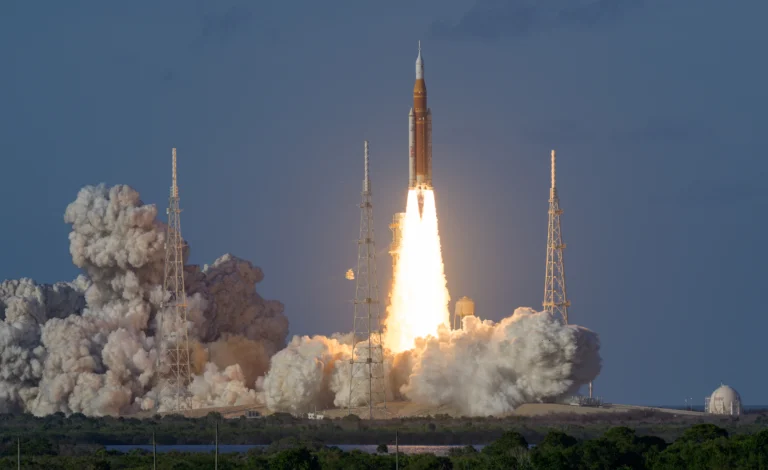
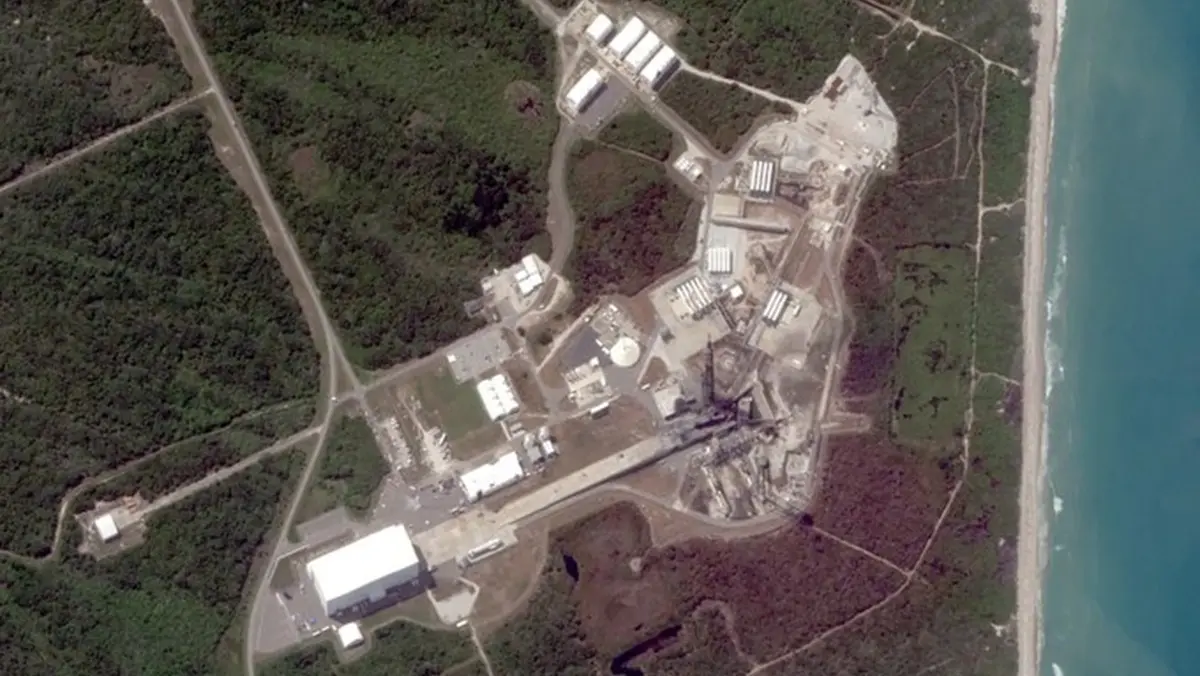
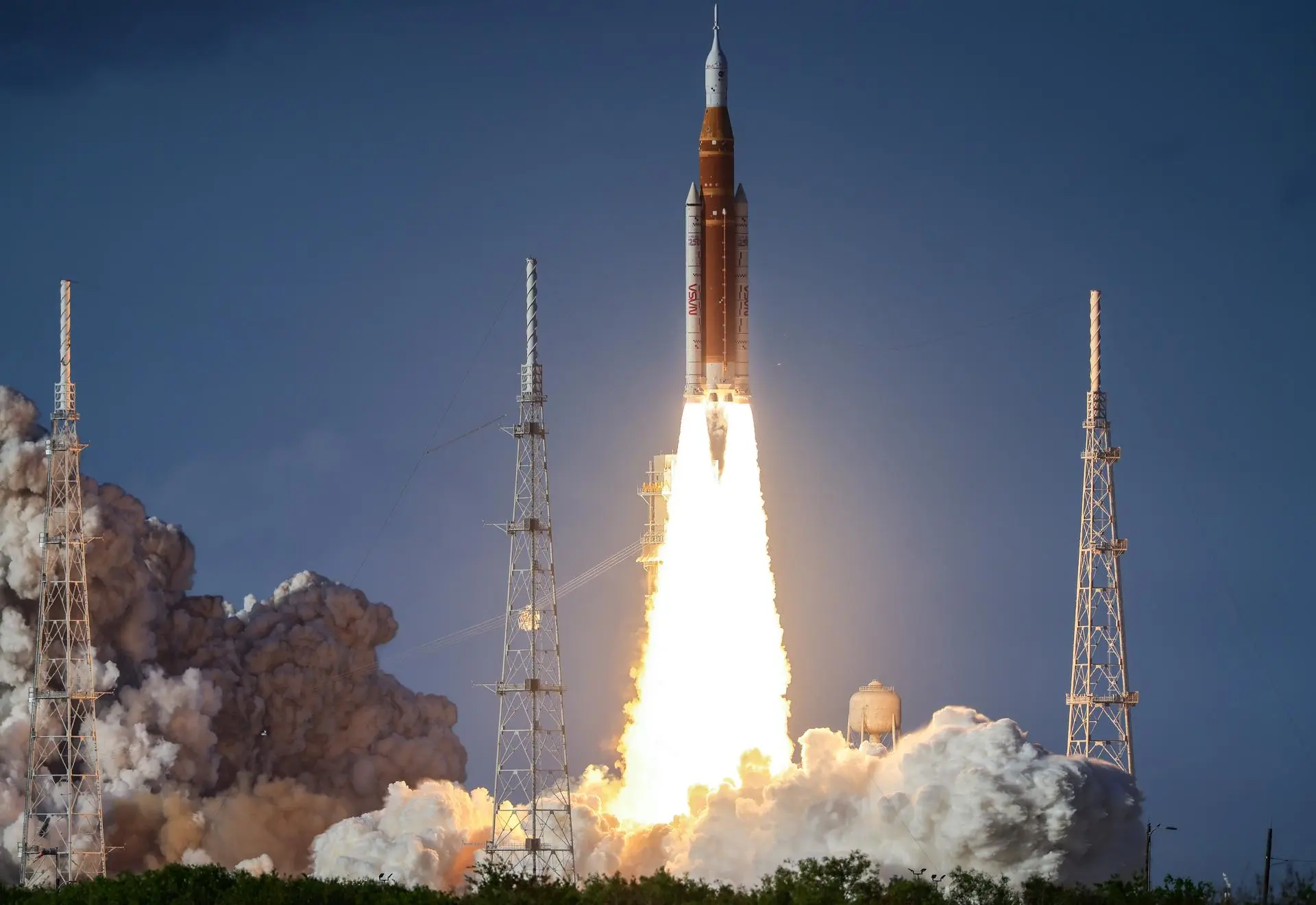
NASA’s Space Launch System rocket launches carrying the Orion spacecraft with NASA astronauts Reid Wiseman, commander; Victor Glover, pilot; Christina Koch, mission specialist; and CSA (Canadian Space Agency) astronaut Jeremy Hansen, mission specialist on NASA’s Artemis II mission, Wednesday, April 1, 2026, from Operations and Support Building II at NASA’s Kennedy Space Center in Florida. NASA’s Artemis II mission will take Wiseman, Glover, Koch, and Hansen on a 10-day journey around the Moon and back aboard SLS rocket and Orion spacecraft launched at 6:35pm EDT from Launch Complex 39B. Photo Credit: (NASA/Bill Ingalls)
April 3, 2026 Hour: 6:54 am
🔗 Comparte este artículo
Orion proceeds toward the Moon after key burn; minor issues resolved, no risks reported
NASA confirmed the successful completion of the Artemis II translunar injection, placing the Orion spacecraft and its crew on a trajectory toward the Moon after a critical engine maneuver.
RELATED: Argentinean Satellite Joins Artemis II NASA Mission
The burn, executed by the flight control team in Houston, lasted five minutes and 52 seconds and represents the final major propulsion event of the mission. From this stage onward, Orion will continue its path governed by orbital mechanics around the Moon and back to Earth.
The agency reported minor technical adjustments and a brief communications interruption during the early phase of the operation. These issues have since been resolved and do not affect mission safety or performance.
Howard Hu, Orion program manager, said during a press conference: “We have encountered several aspects along the way, but none represents a concern at this time“.
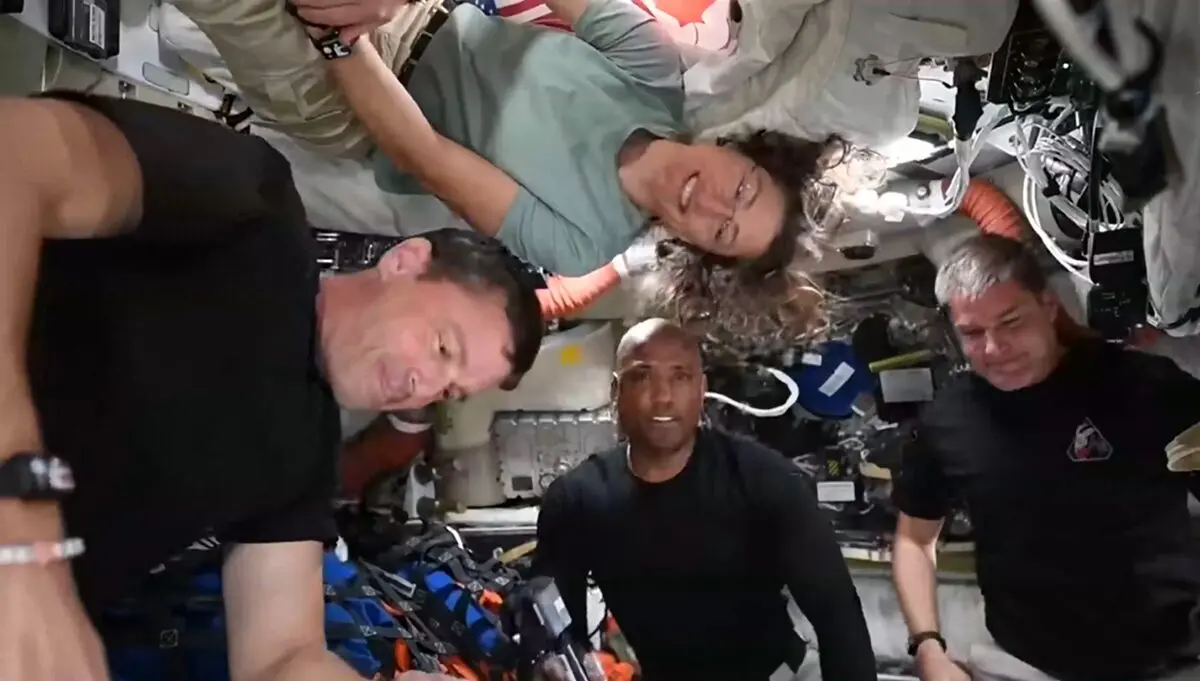
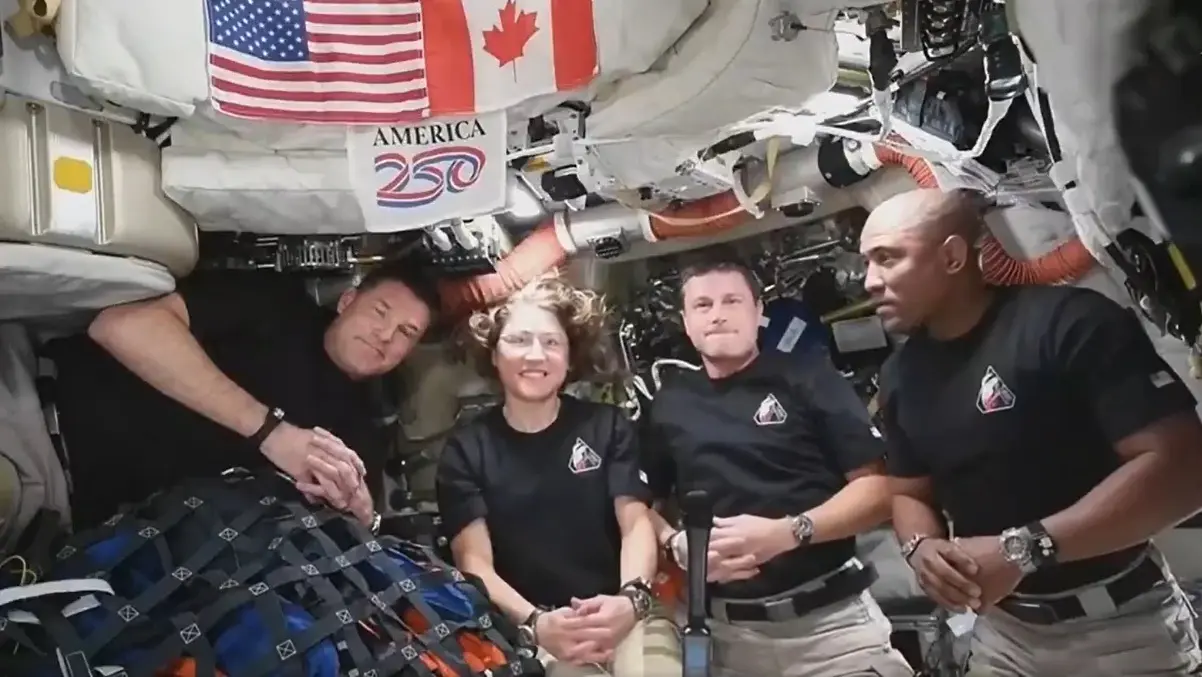
Officials stated that the crew remains in good condition and that all spacecraft systems are operating as expected.
In the first days of flight, astronauts carried out a range of onboard tests, including verification of key life-support systems such as sanitation, water supply, and carbon dioxide removal equipment. They also conducted manual control maneuvers intended to generate operational data for future missions.
“This remains a test flight (…) we will continue to obtain key information every day to learn how to operate this spacecraft in the real space environment“, Hu added.
A major milestone is expected on April 6, when Orion passes behind the Moon. At that point, the crew will reach a distance of more than 400,000 kilometers from Earth, surpassing the record set by Apollo 13 for a crewed mission.
Artemis II is designed to send astronauts into lunar orbit for the first time since the Apollo 17 mission in 1972.The mission continues as a test of systems and procedures, with data collection expected to support upcoming crewed lunar exploration.
Author: MK
Source: NASA